01/14/2026
A Brief History of St. Thomas: Pirates, Trade, and Paradise
Quick Guide: St. Thomas Through the Ages
- 1672: Denmark claims St. Thomas, establishing it as a key trade hub.
- 1700s: The "Golden Age of Piracy" sees Blackbeard and others using the harbor.
- 1917: The United States purchases the Virgin Islands from Denmark for $25 million.
- Today: St. Thomas is a premier destination for duty-free shopping and tourism.
St. Thomas, one of the most well-known islands in the U.S. Virgin Islands, is celebrated today for its turquoise waters, vibrant harbor, and world-class shopping. But long before cruise ships and luxury resorts, the history of St. Thomas was shaped by pirates, global trade, and centuries of cultural influence. Understanding the island’s past adds depth to every visit and reveals how St. Thomas evolved into the Caribbean paradise travelers love today.
Early Beginnings and European Influence
The earliest known inhabitants of St. Thomas were the Ciboney, Arawak, and later the Carib peoples, who lived off the land and sea long before European exploration reached the Caribbean. Christopher Columbus passed near the island in 1493, marking the beginning of European interest in the region. Over the following centuries, St. Thomas became a strategic location sought after by European powers due to its deep natural harbor and central position along major sea routes.
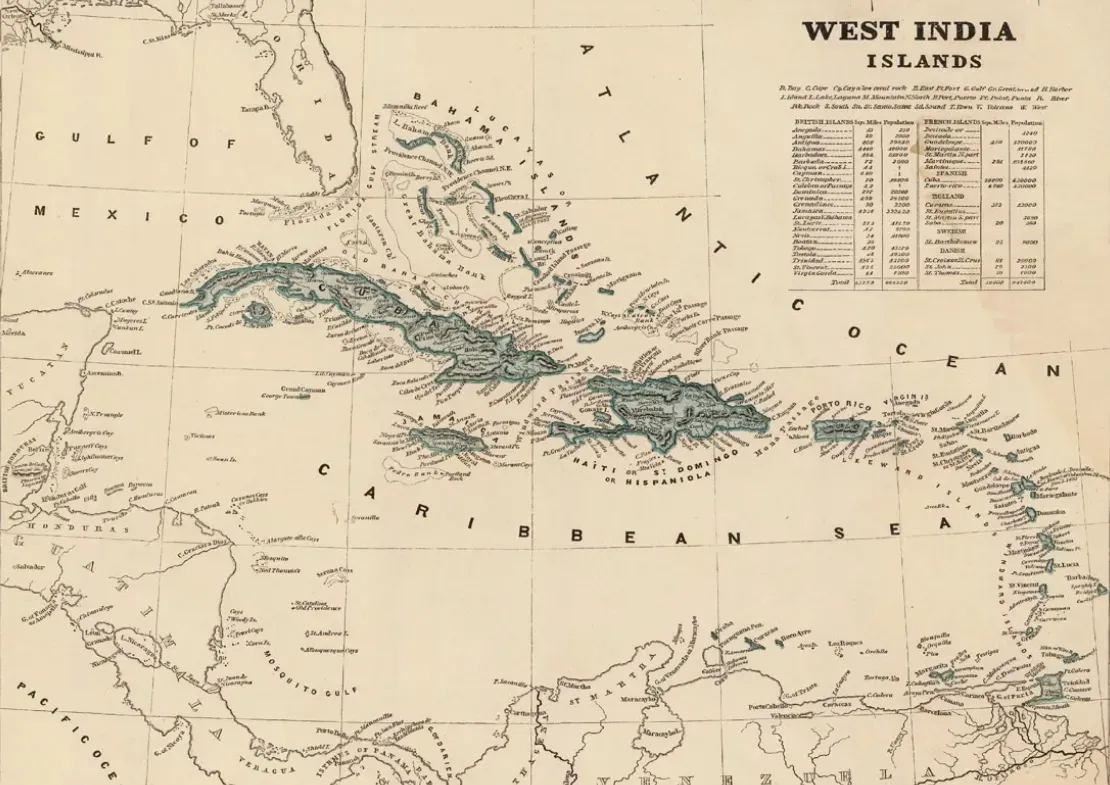
Denmark officially claimed St. Thomas in 1672, establishing it as part of the Danish West Indies. Under Danish rule, the island developed rapidly, becoming a key hub for maritime activity in the Caribbean. The harbor at Charlotte Amalie soon grew into one of the busiest ports in the region.
Related to read: Traces of Denmark: The Danish Legacy in Downtown St. Thomas
Pirates and Privateers of the Caribbean
During the 17th and early 18th centuries, pirates played a significant role in the history of St. Thomas. The island’s protected harbor made it an attractive refuge for pirates and privateers navigating the Caribbean Sea. While piracy is often romanticized today, it was an integral part of Caribbean trade and conflict during this era.
Pirates, merchants, and naval forces frequently crossed paths in St. Thomas, contributing to its reputation as a lively and sometimes dangerous port. Legends of buried treasure and pirate encounters still capture the imagination of visitors exploring the island today.
St. Thomas as a Global Trade Center
As piracy declined, St. Thomas solidified its reputation as a major Caribbean trade hub. During the 18th and 19th centuries, the island became one of the most important free ports in the Caribbean. Ships from Europe, Africa, and the Americas stopped in St. Thomas to trade goods such as sugar, rum, spices, textiles, and precious cargo.
The free port status allowed merchants to conduct business without heavy tariffs, attracting traders from around the world. This period of economic growth brought cultural diversity to the island, shaping the traditions, architecture, and languages still seen in St. Thomas today.
💎 Jeweler's Perspective: "This history as a 'Free Port' is the direct reason why St. Thomas is famous for jewelry today. The tradition of duty-free commerce has continued for centuries, allowing visitors to buy luxury goods—like diamonds and watches—without the taxes you would pay back home."
From Danish Rule to the United States
In 1917, the United States purchased St. Thomas and the neighboring islands of St. Croix and St. John from Denmark. This transition marked a new chapter in the island’s history. Over time, St. Thomas shifted away from agriculture and shipping toward tourism, gradually becoming a premier Caribbean destination.
With its duty-free shopping, stunning beaches, and welcoming atmosphere, St. Thomas grew into a favorite stop for cruise ships and vacationers alike. Today, visitors enjoy a blend of historic landmarks, colorful streets, and modern luxury, all layered atop centuries of rich history.
Read also: Duty-Free for Cruise Passengers in St. Thomas
St. Thomas Today: Where History Meets Paradise
Modern St. Thomas seamlessly blends its past with its present. Historic forts, colonial buildings, and cobblestone streets sit alongside luxury yachts, vibrant restaurants, and world-class shopping districts. Visitors can explore Blackbeard’s Castle, walk through Charlotte Amalie, or relax on Magens Bay while appreciating the island’s journey from pirate stronghold to peaceful paradise.
The island’s long-standing tradition of trade lives on through its renowned duty-free shopping, making St. Thomas a top destination for jewelry, watches, and fine goods from around the world.
Discover St. Thomas with Beverly’s Jewelry
For over 25 years, Beverly’s Jewelry has been part of the St. Thomas story, welcoming visitors from around the world to experience exceptional jewelry and island hospitality. Located in the heart of St. Thomas, Beverly’s Jewelry reflects the island’s legacy of trade, craftsmanship, and timeless beauty.
Whether you’re visiting for the history, the beaches, or the shopping, Beverly’s Jewelry invites you to take home a piece of St. Thomas—one that sparkles long after your vacation ends.
Planning a trip? Don't miss our guide on Things to do in St. Thomas