08/02/2025
Traces of Denmark: The Danish Legacy in Downtown St. Thomas
How Danish Rule Shaped the Streets of Downtown St. Thomas
Explore how Danish colonial rule influenced the street layout, place names, and architectural landscape of downtown Charlotte Amalie. Learn about Fort Christian, the iconic 99 Steps, and more—then discover Beverly’s Jewelry, located on historic Main Street.
Introduction
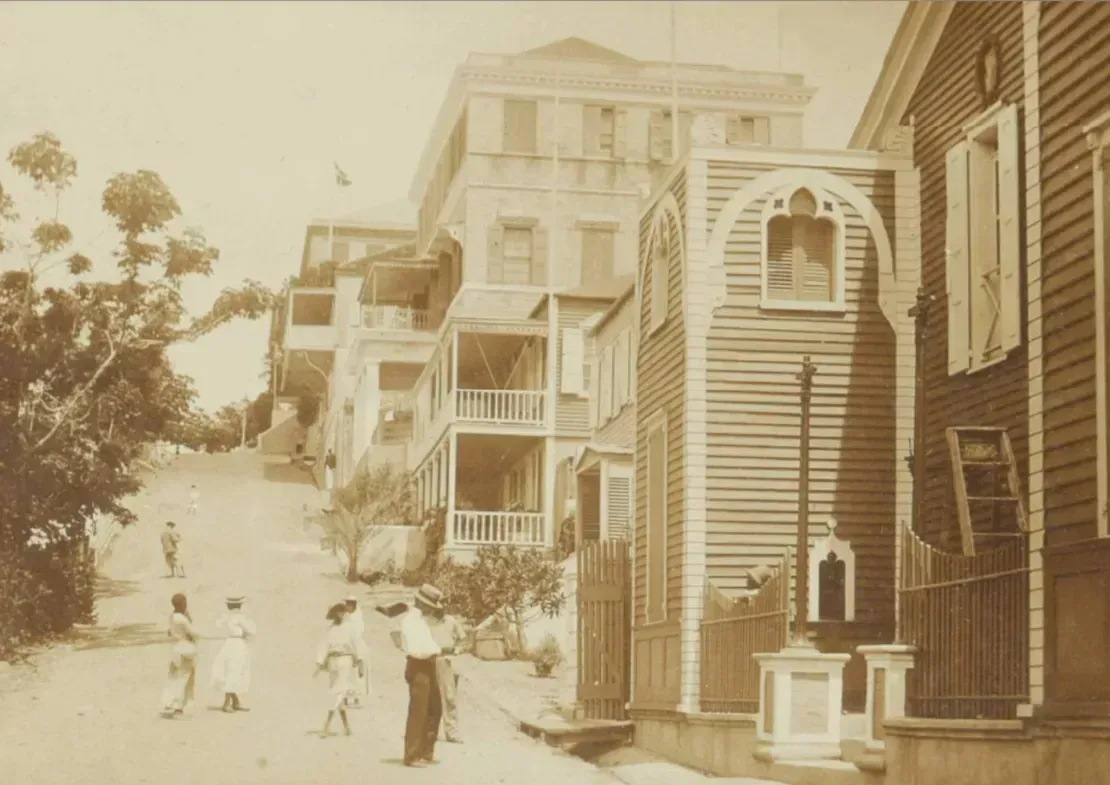
Charlotte Amalie, the capital of St. Thomas, was founded in 1691 under Danish rule and remained part of the Danish West Indies until the U.S. Purchase in 1917. During that time, Danish governors, architects, and planners etched their influence into the fabric of the town—from regal street names to robust forts designed for defense and administration. As a result, downtown St. Thomas still reflects layers of Danish colonial urban planning and architecture, especially along its central thoroughfare, Dronningens Gade(Queen’s Street), better known today as Main Street.
1. Royal Street Names: A Danish Legacy
The names of downtown St. Thomas streets are heritage-rich:
Dronningens Gade (“Queen’s Street”), named after a Danish queen, remains the heart of Charlotte Amalie’s shopping district.
Nearby patrons will also find Kongens Gade (“King’s Street”) and Prindsens Gade (“Prince’s Street”), reflecting royal influence in urban layout .
These names are still visible on enamel street signs throughout the historic district, preserving the Danish royal connection even today.
2. Fort Christian: The Colonial Centerpiece
Built between 1672–1678, Fort Christian is the oldest standing structure in the U.S. Virgin Islands and exemplifies Danish military architecture with its thick stone and brick walls and Gothic-Victorian clock tower. As a multifunctional fortress, it housed the government, judiciary, and even served as a church and jail. Prisoners were held in dungeon rooms within the walls, and harsh punishments often took place here during Danish rule .
3. The Watchtowers: Blackbeard’s and Bluebeard’s Castles
Perched atop Government Hill are two Danish structures built in 1679, designed for surveillance:
Skytsborg Tower, now known as Blackbeard’s Castle, and
A second lookout site, often called Bluebeard’s Castle.
Skytsborg offered clear views of incoming ships and served as a strategic point for Danish troops. Its modern nickname ties into pirate lore rather than historical fact
4. The Iconic 99 Steps (Store Taarne Gade)
To traverse Charlotte Amalie’s steep terrain, the Danes built a series of brick stair streets, including the famous 99 Steps, originally named Store Taarne Gade. Built in the mid‑18th century using ballast bricks from Danish ships, the stairway has 103 steps, though the historic name persisted. These steps helped connect areas of the city at varying elevations and remain a favorite landmark today.
5. Danish Architecture in Public Buildings
Some of downtown's most elegant structures were originally Danish public buildings:
Government House (constructed in the 1860s) stands proudly on a hill with its neoclassical façade and colonial gardens.
Frederick Lutheran Church, founded in 1666, and the St. Thomas Synagogue, rebuilt in 1833, showcase religious structures influenced by Danish style, European settlers, and Caribbean adaptation.
6. Colonial Urban Planning & Civic Purpose
Charlotte Amalie became a Danish free port in 1764, opening channels of trade with Europe and across the Caribbean. The town’s layout—built for commerce and strategic defense—mirrored its naval importance. Warehouses, administrative buildings, and merchant homes lined Dronningens Gade, creating what would evolve into today’s shopping district.
7. Adaptive Reuse: From Colonial Commerce to Modern Shopping
Over centuries, many Danish-era buildings have been restored and repurposed into boutiques, galleries, and cafes. Historic warehouses and dwellings along Main Street now host duty‑free shops and local businesses, blending heritage architecture with visitor experiences.
8. Why This History Matters
These streets and structures offer more than aesthetics—they reflect:
Danish social order and hierarchy via street naming,
Colonial resilience and practicality are seen in forts and stair design,
The free-port economy that elevated Charlotte Amalie to prominence during Danish rule,
And the ongoing legacy is visible when you shop, stroll, or photograph downtown today.