01/25/2025
Real vs Lab-Grown Diamonds
Quick Guide: What is the main difference? The only difference between a natural and a lab-grown diamond is their origin. Natural Diamonds are mined from the earth and hold higher resale value due to rarity. Lab-Grown Diamonds are created in a lab, are chemically identical to mined diamonds, and cost 30-50% less, allowing you to get a larger stone for your budget.
When shopping for diamonds, one question often arises: Should you choose a natural diamond or a lab-grown diamond? Both options have their appeal, but they also have unique characteristics that set them apart. In this blog, we’ll break down the differences between real and lab-grown diamonds, helping you make an informed choice that fits your style, values, and budget.
Looking for timeless styles? Browse our solitaire engagement rings crafted with natural and lab-created diamonds to find your ideal match.
What Are Real Diamonds?
Real diamonds, also known as natural diamonds, are formed deep within the Earth over billions of years under immense heat and pressure. They are then mined, cut, and polished to become the dazzling gemstones we know today. Each natural diamond is a one-of-a-kind creation, a product of nature’s artistry and time.
Key Features of Natural Diamonds:
Rarity: No two natural diamonds are identical, making each one unique.
Historical Value: Often tied to significant milestones like engagements, natural diamonds carry emotional and cultural significance.
Longevity: Their durability ensures they can be passed down as heirlooms.
What Are Lab-Grown Diamonds?
Lab-grown diamonds are created in a controlled environment using advanced technology that replicates the natural diamond formation process. These diamonds are chemically, physically, and optically identical to natural diamonds—they’re just grown in weeks rather than billions of years. (Read: The Rise of Lab-Grown Gems)
Key Features of Lab-Grown Diamonds:
Sustainability: Often considered more environmentally friendly as they avoid large-scale mining.
Cost Efficiency: Typically 20–40% less expensive than natural diamonds of comparable quality.
Ethical Assurance: Lab diamonds eliminate concerns about conflict or unethical mining practices.
How Are They Different?
While both natural and lab-grown diamonds look nearly identical, they have distinct differences:
Origin
Natural diamonds are formed in the Earth.
Lab-grown diamonds are created in a laboratory setting.
Price
Natural diamonds are more expensive due to their rarity and the mining process.
Lab-grown diamonds offer a budget-friendly alternative with similar brilliance.
Resale Value
Natural diamonds tend to retain higher resale value over time.
Lab-grown diamonds generally have a lower resale value due to their abundance.
Inclusions and Imperfections
Natural diamonds often contain unique inclusions, giving them character.
Lab-grown diamonds may have fewer inclusions as they are formed under controlled conditions.
Can You Tell the Difference?
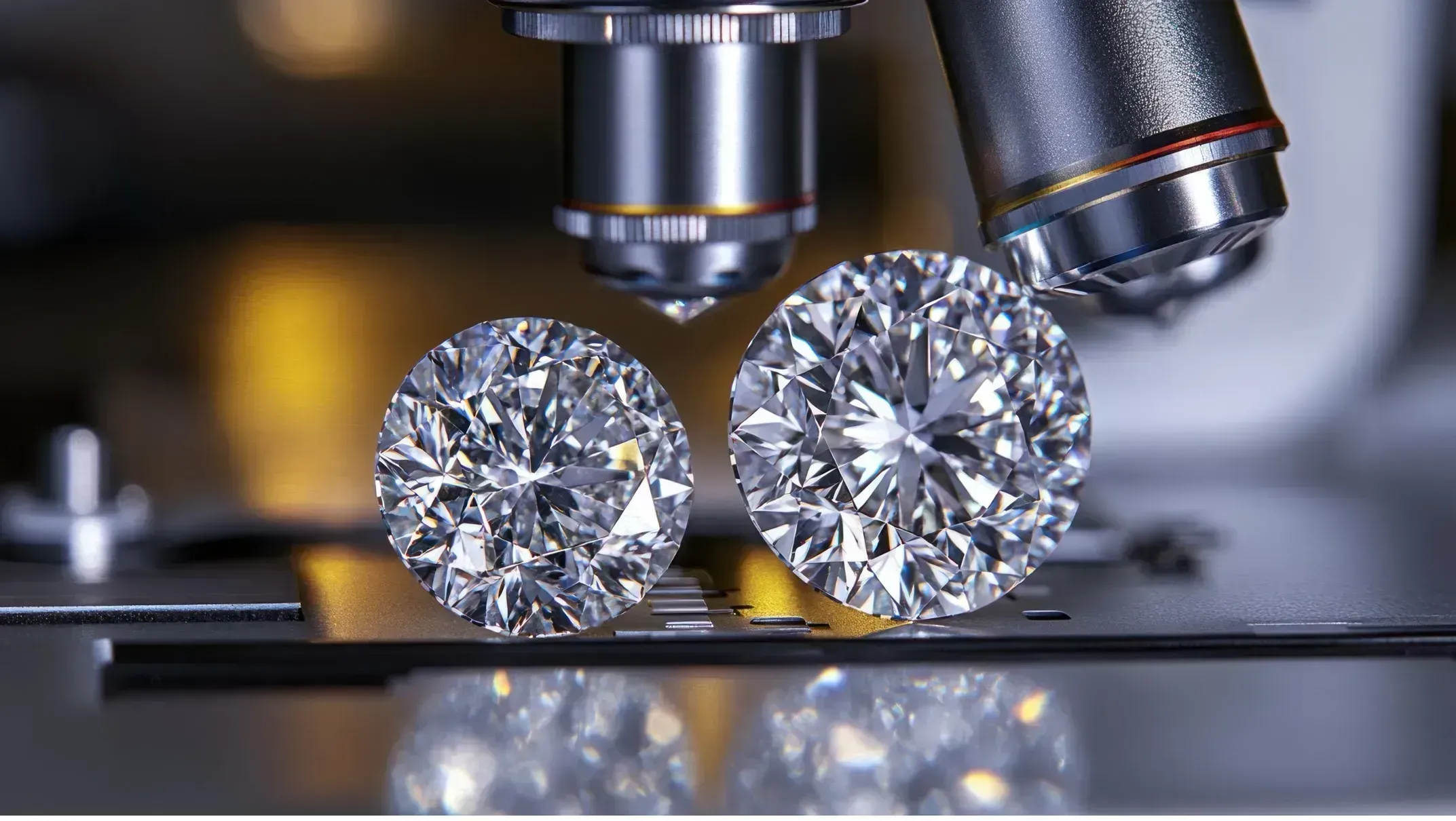
To the naked eye, it’s nearly impossible to distinguish between natural and lab-grown diamonds. Specialized equipment is needed to identify subtle differences, such as growth patterns or trace elements. Both types of diamonds offer the same sparkle, brilliance, and beauty.
Which Should You Choose?
Your choice ultimately depends on your priorities:
Go for a Natural Diamond if:
You value rarity and tradition.
You’re looking for an investment or heirloom piece.
You appreciate the natural story behind the gem.
Opt for a Lab-Grown Diamond if:
You’re seeking a budget-friendly option without compromising on quality.
Sustainability and ethical practices are top priorities for you.
You want a larger diamond for the same price as a smaller natural one.
Related to read: How to Spot Quality Diamonds
Diamonds for Every Occasion
Whether you choose a natural diamond or a lab-grown diamond, both options bring exceptional beauty and elegance to your jewelry collection. At Beverly's, we offer a curated selection of both natural and lab-grown diamonds, ensuring you find the perfect gem for your unique needs. Our expert team is here to guide you through the process, helping you make a choice you’ll cherish for a lifetime.
Explore our latest engagement ring settings and make your moment unforgettable.