08/02/2025
Does White Gold Change Color?
Does White Gold Change Color? Everything You Need to Know
White gold has become one of the most popular choices for engagement rings, wedding bands, and fine jewelry. Its brilliant, silvery appearance offers the look of platinum but often at a more affordable price. However, many people wonder: Does white gold change color over time? In this blog, we’ll explore why white gold may lose its original shine, what causes discoloration, and how to properly care for your white gold jewelry to keep it looking radiant.
What is White Gold?
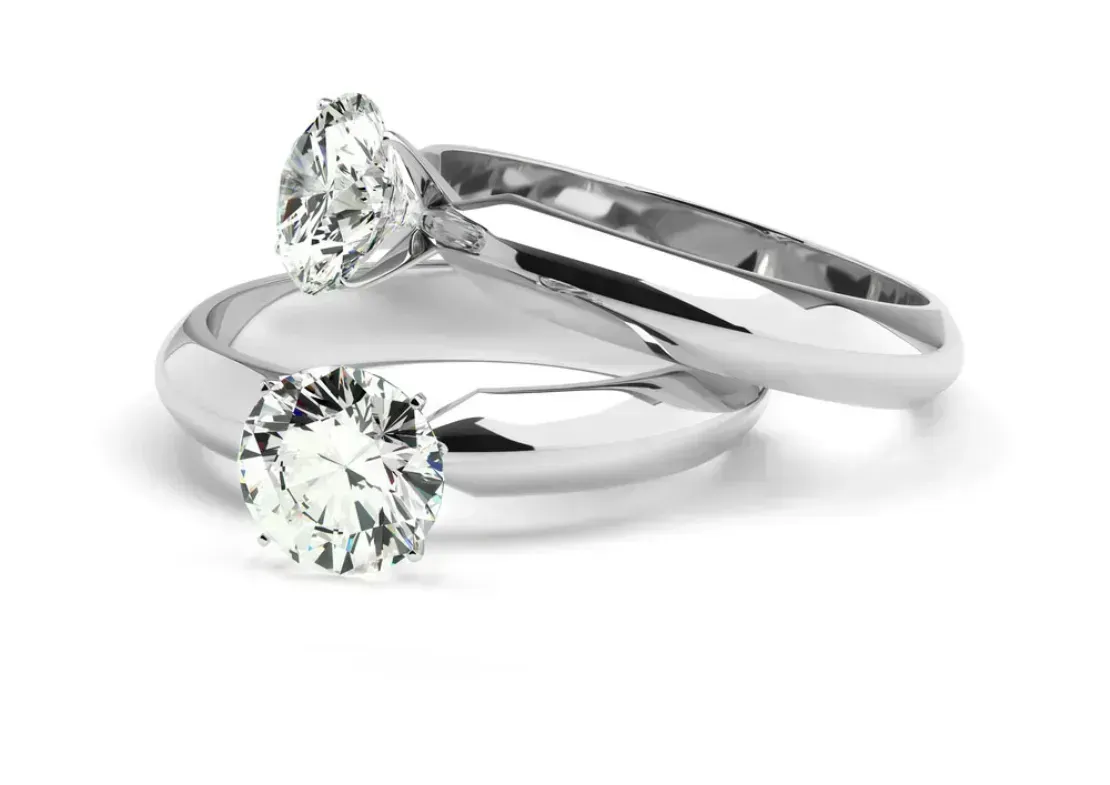
White gold is an alloy made by combining pure yellow gold with white metals such as palladium, nickel, or silver. This blend creates a metal with a silvery-white appearance. However, because pure gold is naturally yellow, white gold on its own can have a slightly off-white or grayish tint.
To achieve the bright white, shiny finish customers expect, white gold jewelry is usually plated with rhodium, a precious metal from the platinum family. Rhodium plating adds a reflective, durable, and brilliant white surface to the piece.
Read also: Gold Colors Explained: White, Yellow, Rose, and the Magic of Rhodium
Does White Gold Change Color Over Time?
The short answer is yes, white gold can change color or lose its bright white finish. Over time, the rhodium plating wears away due to normal wear and tear, exposing the natural color of the white gold alloy beneath, which may appear slightly yellowish or dull.
Why Does White Gold Turn Yellow?
Rhodium plating wears off: Rhodium is a very hard and dense metal but the plating is very thin. Everyday activities like washing hands, exposure to lotions, perfumes, and even friction can gradually remove this coating.
Base alloy color: The metals used in the white gold alloy influence how noticeable the yellow tint is once the rhodium wears off. Alloys with more yellow gold content will show more yellow once the plating fades.
Environmental factors: Chemicals such as chlorine, saltwater, and cleaning products can speed up rhodium plating deterioration and cause discoloration.
How Often Does White Gold Need Replating?
Because rhodium plating wears down naturally, white gold jewelry typically needs replating every 1 to 2 years, depending on how often you wear it and the care you provide. Pieces worn daily, like engagement rings and wedding bands, may require more frequent replating to maintain their brilliant white appearance.
How to Care for White Gold Jewelry to Prevent Discoloration
Proper care can slow down the color change of white gold and keep your jewelry sparkling longer:
Remove jewelry during chores: Avoid wearing your white gold rings and bracelets when cleaning, swimming, or using harsh chemicals.
Avoid lotions and perfumes: Apply lotions, perfumes, and hair products before putting on your jewelry to reduce residue buildup.
Regular cleaning: Clean white gold jewelry gently with mild soap and warm water. Use a soft toothbrush to remove dirt from crevices.
Professional maintenance: Have your jewelry professionally inspected and replated at Beverly’s Jewelry in St. Thomas, where expert jewelers ensure your white gold pieces maintain their shine and durability.
People also read: Caring for Your Fine Jewelry
Is White Gold Better Than Platinum?
While white gold offers a stunning appearance, it requires more maintenance due to rhodium plating. Platinum, on the other hand, is naturally white and doesn’t need plating, but it’s also more expensive and heavier.
If you are struggling to decide between the two, read our detailed comparison: The Ultimate Showdown: White Gold vs. Platinum
FAQs About White Gold Color Changes
Q: Can white gold turn green?
A: Green discoloration is rare and usually caused by skin reactions to the alloy metals in some white gold blends. Proper plating and maintenance minimize this risk.
Q: How do I know when my white gold needs replating?
A: If you notice your jewelry turning yellowish, dull, or less shiny, it’s time to visit your jeweler for rhodium replating.
Q: Can I replated white gold myself?
A: Rhodium plating requires professional equipment. It’s best done by skilled jewelers to avoid damage.
Conclusion
White gold is a beautiful and popular choice for fine jewelry, but yes, white gold does change color over time as its rhodium plating wears off. With proper care, gentle cleaning, and regular professional maintenance, you can keep your white gold jewelry looking bright, white, and stunning for years to come.
If you’re looking for expert rhodium plating or white gold jewelry care in the US Virgin Islands, visit Beverly’s Jewelry in St. Thomas — where quality and customer satisfaction shine brightest.