02/01/2025
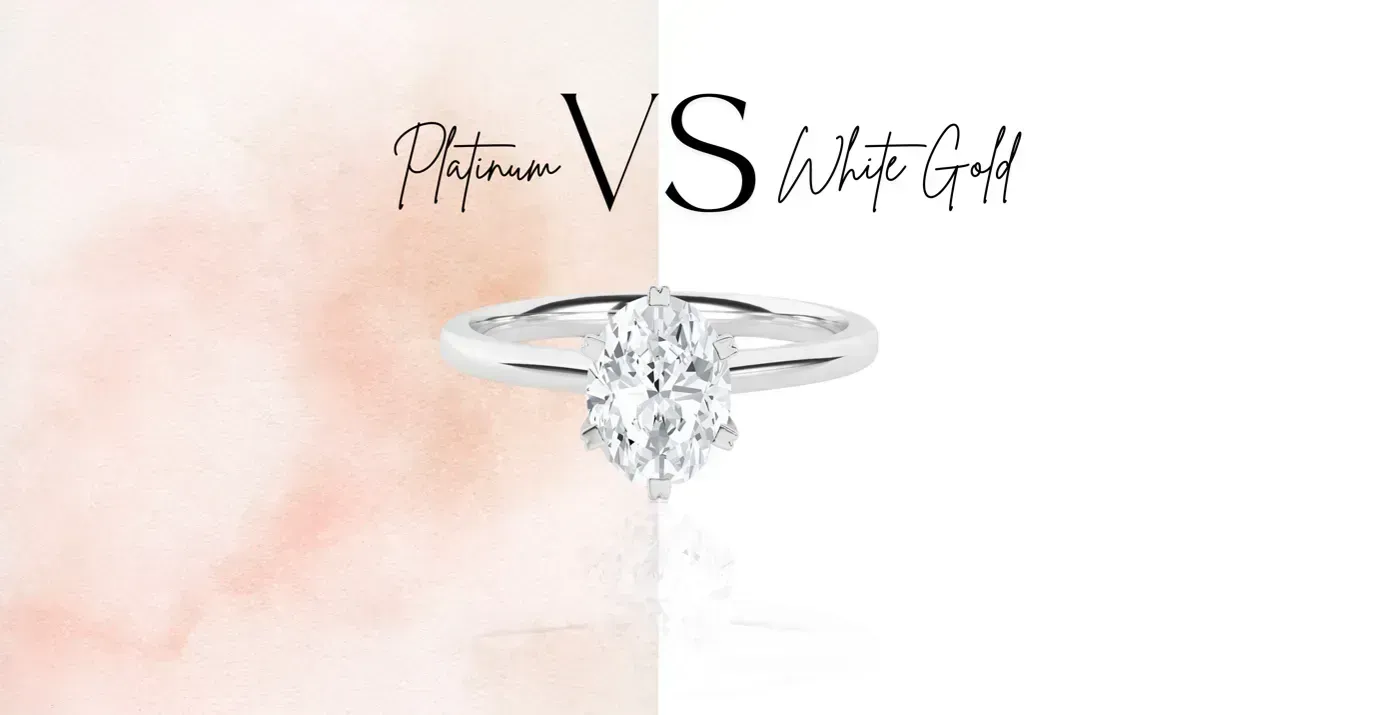
The Ultimate Showdown: White Gold vs. Platinum
White Gold vs. Platinum: The Ultimate Guide to Choosing the Right Metal for Your Jewelry
When it comes to fine jewelry, two metals that often find themselves in the spotlight are white gold and platinum. Both are sleek, durable, and stylish, making them popular choices for engagement rings, wedding bands, and other timeless pieces. But what sets these two metals apart? In this blog, we’ll explore the key differences between white gold and platinum to help you make the best decision for your next jewelry purchase.
What is White Gold?
White gold is an alloy made by mixing yellow gold with other white metals like palladium, silver, or nickel. To give it its signature bright, white appearance, white gold is often plated with rhodium, a shiny metal that adds a reflective finish. While the plating enhances its beauty, it can wear off over time, and the yellowish undertone of the underlying gold alloy may become visible. Replating with rhodium is necessary to keep white gold looking its best.
Pros of White Gold:
- Affordable: White gold is generally less expensive than platinum, making it a great option for those on a budget.
- Shiny Appearance: The rhodium plating gives white gold a bright, glossy finish.
- Versatility: White gold complements a wide variety of gemstones, including diamonds, and pairs well with other metals.
Cons of White Gold:
- Maintenance: Over time, the rhodium plating may wear off, requiring periodic replating to maintain its shine.
- Alloy Sensitivity: Some white gold alloys, particularly those with nickel, can cause allergic reactions in sensitive individuals.
What is Platinum?
Platinum is a naturally white metal, which means it does not require any additional plating to maintain its color. Known for its purity and rarity, platinum is often used in jewelry in its nearly purest form, typically 95% pure. Unlike white gold, platinum does not lose its luster over time, making it a more durable and low-maintenance option for high-value jewelry.
Pros of Platinum:
- Durable: Platinum is highly durable and resistant to scratches and tarnishing, which makes it a long-lasting investment.
- Hypoallergenic: Due to its purity, platinum is an excellent choice for those with sensitive skin or metal allergies.
- Timeless Appearance: Platinum’s rich, subtle sheen makes it a perfect backdrop for diamonds and other gemstones, adding elegance without overpowering the stone.
Cons of Platinum:
- Price: Platinum is typically more expensive than white gold due to its rarity, purity, and density.
- Weight: Platinum is heavier than white gold, which some people may prefer, while others may find it cumbersome.
Durability: White Gold vs. Platinum
In terms of longevity, platinum is the clear winner. Its density and natural resistance to tarnishing make it more durable over time. White gold, while strong, is more prone to wear due to the rhodium plating, which can diminish with daily wear. Platinum also does not require the same level of upkeep as white gold.
However, platinum can develop a natural patina over time. This is a fine layer of surface scratches that occurs from regular wear, adding to the character of the piece. Many people appreciate this subtle, vintage look, but if you prefer a polished finish, you can always have your platinum jewelry refinished.
Price Comparison: White Gold vs. Platinum
When it comes to cost, white gold is more affordable than platinum. Since white gold is often made with lower-cost materials and doesn’t require the same level of purity, it’s a more budget-friendly option. However, it’s essential to keep in mind that white gold’s rhodium plating will need to be reapplied periodically, which can add to the maintenance costs over time.
Platinum, on the other hand, is more expensive upfront. Its high density and rarity contribute to the higher cost, but it is a one-time investment with minimal upkeep required. The higher initial price can be worth it for those seeking a durable, hypoallergenic metal that will maintain its appearance for years to come.
Aesthetic Differences
- White Gold: White gold tends to have a bright, glossy finish due to its rhodium plating. It’s a great choice for those who want a contemporary, polished look with a little extra sparkle.
- Platinum: Platinum has a more subdued, elegant sheen. It doesn’t sparkle the way white gold does, but its natural white color enhances the brilliance of gemstones, particularly diamonds. Platinum’s refined appearance is perfect for those looking for understated luxury.
Which Metal is Right for You?
Choosing between white gold and platinum ultimately comes down to your personal preferences, lifestyle, and budget.
- Choose White Gold if you’re looking for a more affordable option with a bright, reflective finish and don’t mind periodic maintenance.
- Choose Platinum if you prefer a hypoallergenic, durable metal that will last a lifetime with minimal upkeep and a refined, timeless look.
Both metals have their unique advantages, and whether you select white gold or platinum, you’re investing in a beautiful, long-lasting piece of jewelry.
Contact Beverly’s for Expert Jewelry Advice
Still unsure which metal is right for you? At Beverly's Jewelry, we offer a wide range of engagement rings, wedding bands, and other fine jewelry in both white gold and platinum. Our knowledgeable team can help you make the best choice based on your needs and preferences.
Email us at sales@beverlys-jewelry.com for personalized assistance and recommendations.
When it comes to selecting the perfect metal for your jewelry, understanding the differences between white gold and platinum can make all the difference. Whether you choose the affordability and shine of white gold or the timeless durability of platinum, both metals will add beauty and elegance to your jewelry collection. Visit us at Beverly's Jewelry for expert guidance and stunning options in both white gold and platinum, and find your perfect piece today.