03/26/2026
Beyond the Diamond: Why Colored Engagement Rings Are Taking Over
For decades, the engagement ring was defined by one thing: a diamond.
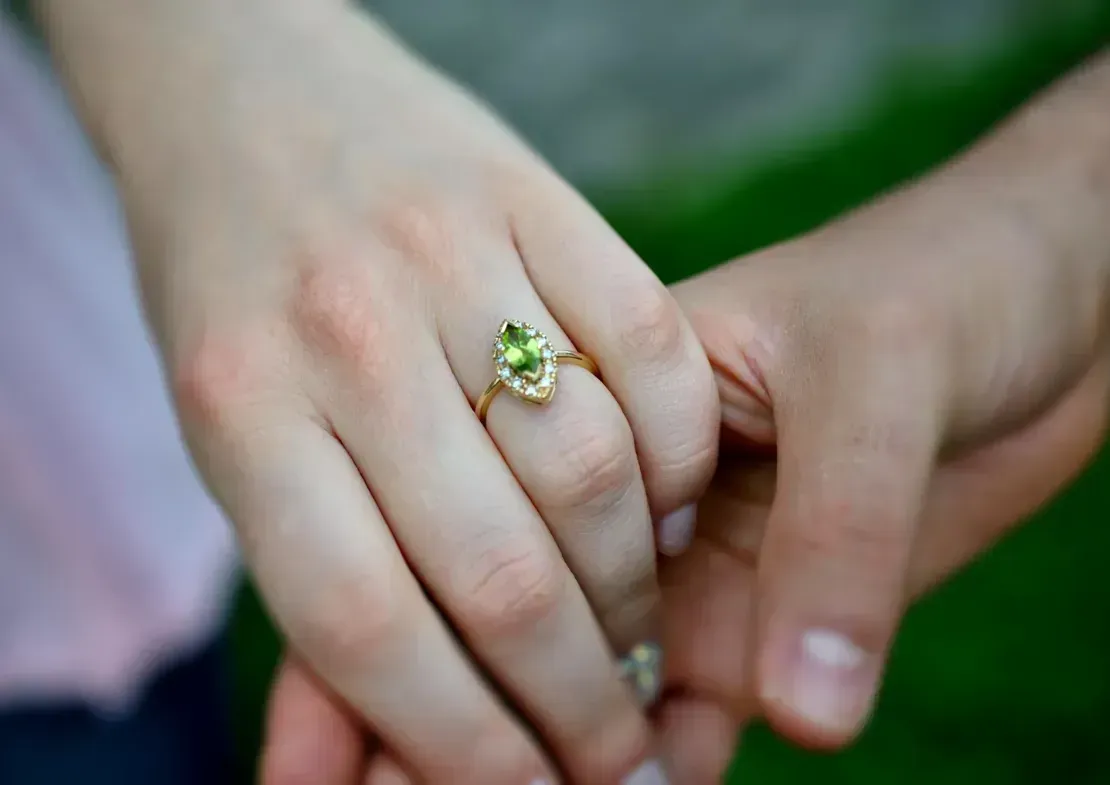
But today, a bold and beautiful new era is taking over — one filled with color, personality, and deep personal meaning. Colored gemstone engagement rings are no longer considered the alternative choice. In 2025 and 2026, they are fast becoming the new standard for modern couples who want their ring to tell their story, not just follow tradition.
At Beverly's Jewelry in St. Thomas, we're witnessing this shift firsthand — and it's one of the most exciting transformations happening in fine jewelry today.
Why Colored Gemstone Engagement Rings Are Trending Right Now
The rise of colored gemstone engagement rings isn't accidental — it reflects a profound shift in how modern couples view love, identity, and personal expression.
Today's couples are deliberately moving away from "what's expected" and toward "what feels meaningful." Rather than choosing a ring because it's traditional, they're choosing one because it's theirs.
The numbers tell the story clearly: nearly 40% of engagement ring buyers are now choosing colored gemstones over traditional diamonds — a figure that continues to grow year over year. What started as a niche preference has evolved into one of the defining jewelry movements of this decade.
This isn't just a trend. It's a cultural shift in what an engagement ring means.
The Power of Color: More Than Just a Ring
A diamond is timeless — but a colored gemstone tells a story.
Every gemstone carries its own history, symbolism, and meaning. Choosing a colored stone isn't just an aesthetic decision — it's an emotional one. Here's what the most popular engagement gemstones represent:
💙 Sapphire → Loyalty, wisdom, faithfulness, and enduring strength
💚 Emerald → Renewal, growth, hope, and deep unconditional love
❤️ Ruby → Passion, romance, vitality, and fierce devotion
🩷 Morganite → Soft femininity, compassion, and modern elegance
💜 Amethyst → Calm, clarity, spiritual connection, and sincerity
🩵 Aquamarine → Serenity, courage, and everlasting youth
When couples choose a colored gemstone engagement ring, they're not just picking a beautiful stone — they're choosing a symbol that reflects their unique relationship, values, and shared story.
Quick Answer: What do colored gemstones symbolize in engagement rings? Each colored gemstone carries distinct symbolism. Sapphires represent loyalty and wisdom, emeralds symbolize love and renewal, rubies convey passion, and morganite reflects feminine elegance. Many couples choose colored gemstones specifically because the meaning aligns with their relationship and personal values.
2025–2026 Engagement Ring Trends Driving the Shift
Colored gemstones aren't just popular right now — they are leading the most significant engagement ring trends heading into 2026. Here's exactly what's driving the movement.
1. Personalization Over Tradition
There is no longer a "standard" engagement ring. Modern couples are actively rejecting one-size-fits-all proposals in favor of rings that feel completely unique to their relationship — choosing specific stones, custom settings, and distinctive designs that couldn't belong to anyone else.
2. Bold, Statement Center Stones
Oversized sapphires, vivid emeralds, and deep rubies are taking center stage as the focal point of engagement rings — replacing the classic solitaire diamond with something far more visually striking and personally significant.
3. Unexpected & Artistic Colors
Beyond the classic blue sapphire, today's couples are exploring a much wider color palette:
Teal and green sapphires for an earthy, modern feel
Peach and champagne tones for romantic softness
Purple, violet, and orange stones for a truly artistic statement
Parti-colored stones that shift between multiple hues
These unexpected colors create rings that feel modern, one-of-a-kind, and genuinely unforgettable.
4. Ethical & Values-Driven Choices
A growing number of couples are choosing colored gemstones because they align with their personal values around sustainability and ethical sourcing. Lab-grown colored gemstones in particular offer a responsible, brilliant alternative that resonates strongly with environmentally conscious buyers.
5. The Rise of Non-Traditional Luxury
Luxury in 2026 is no longer about following rules — it's about standing out with intention. Colored gemstone engagement rings offer a custom, high-end look that feels far more personal and distinctive than a conventional diamond solitaire — and for many couples, that distinction is exactly the point.
Iconic Inspiration: The Celebrity Effect
This shift toward color isn't entirely new. Some of the most legendary engagement rings in history have featured colored gemstones — and their influence continues to shape what couples want today.
Princess Diana's iconic oval blue sapphire ring — now worn by Catherine, Princess of Wales — remains one of the single most influential engagement rings ever created. Its enduring popularity helped introduce the world to the idea that colored gemstones could be just as romantic, luxurious, and meaningful as diamonds — if not more so.
Today, celebrity influence continues to push this trend powerfully forward, demonstrating that colored gemstone engagement rings are simultaneously timeless and thoroughly modern.
What Real Couples Are Saying
Across online communities and jewelry forums, more couples than ever are choosing gemstones over diamonds — and their reasoning is consistently the same: colored rings feel more personal.
"I love gemstones… they have so much more personality than a plain diamond."
"It feels really special to have something that's a little different — something that feels like us."
This reflects the broader cultural shift happening in engagement jewelry: rings are no longer primarily about status or tradition. They are about identity, individuality, and meaning.
Why Colored Gemstone Rings Feel Right at Home in St. Thomas
There's something about the natural beauty of the Caribbean that makes colored gemstone jewelry feel completely at home.
The stunning blues and greens of the Caribbean Sea mirror the depth of a fine sapphire. The lush tropical landscape echoes the vivid richness of an emerald. The warmth of the island sun is reflected perfectly in a deep golden setting paired with a vibrant center stone.
Colored gemstone engagement rings don't just belong in St. Thomas — they were made for it.
Shopping for your engagement ring in St. Thomas, USVI also comes with a significant practical advantage: as a duty-free destination, St. Thomas offers luxury fine jewelry at prices that are genuinely competitive with — and often significantly lower than — major jewelry markets in the continental United States.
How to Choose the Right Colored Gemstone Engagement Ring
If you're ready to go beyond the diamond, here are the key factors to guide your decision with confidence.
✔️ Durability Matters for Everyday Wear
Not all gemstones are equally suited to daily wear as an engagement ring. Understanding hardness is essential:
Sapphire & Ruby (Corundum, 9/10 on Mohs scale) — Exceptionally durable, ideal for everyday wear
Emerald (7.5–8/10) — Beautiful but requires more careful handling and protection
Morganite & Aquamarine (7.5–8/10) — Durable enough for daily wear with reasonable care
Amethyst (7/10) — Best suited to protective settings like bezel or halo styles
✔️ Cut Enhances Color
The right cut dramatically affects how a colored gemstone's color reads to the eye. The most flattering cuts for colored engagement stones include:
Oval cut — Maximizes color depth and creates an elongating effect
Cushion cut — Enhances richness and saturation beautifully
Emerald cut — Showcases clarity and the pure, clean depth of color
Round brilliant — Maximizes light return for brighter, more vibrant stones
✔️ Setting Style Elevates Everything
The right setting can take a colored gemstone ring from beautiful to breathtaking:
Halo settings — Surround the center stone with diamonds to amplify brilliance
Hidden halo — Adds unexpected sparkle beneath the center stone
Solitaire — Lets the gemstone's natural color speak entirely for itself
Three-stone settings — Combines the center gemstone with diamond side stones for elegant contrast
Quick Answer: Which colored gemstone is best for an engagement ring? Sapphire and ruby are the most recommended colored gemstones for engagement rings due to their exceptional hardness (9 on the Mohs scale), making them ideal for everyday wear. Emerald, morganite, and aquamarine are also popular choices, though they benefit from protective settings to minimize the risk of damage.
Discover Something Extraordinary at Beverly's in St. Thomas
At Beverly's Jewelry in St. Thomas, we believe your engagement ring should be as unique as your love story.
Whether you're drawn to the deep, loyal elegance of a sapphire, the vivid romance of an emerald, the passionate brilliance of a ruby, or something entirely unexpected — our expert team is here to help you find or create a piece that feels completely and authentically yours.
Every gemstone jewelry in our collection is carefully selected by our expert jewelers and gemologists to ensure exceptional color, quality, and lasting beauty.
Frequently Asked Questions: Colored Gemstone Engagement Rings
Q: Are colored gemstone engagement rings more affordable than diamond rings?
Often, yes — though it depends heavily on the gemstone. Morganite, amethyst, and aquamarine are typically more affordable than diamonds of comparable size. However, premium sapphires, rubies, and emeralds can match or exceed diamond prices depending on their quality and origin.
Q: Are colored gemstone engagement rings durable enough for everyday wear?
Yes, particularly sapphires and rubies, which rank 9 out of 10 on the Mohs hardness scale — second only to diamonds. With proper care and the right setting style, a colored gemstone ring can last a lifetime.
Q: What is the most popular colored gemstone for engagement rings?
Blue sapphire remains the most popular colored gemstone choice for engagement rings globally, largely due to its association with Princess Diana and Catherine, Princess of Wales. Emerald and ruby are close second choices, followed by morganite and aquamarine for softer, more contemporary looks.
Q: Can I get a colored gemstone engagement ring customized?
Absolutely. Custom designed engagement rings are one of the most requested services at Beverly's. Our expert jewelers can work with you to select your ideal gemstone, setting style, and metal to create a completely one-of-a-kind ring.
Q: Do lab-grown colored gemstones make good engagement ring choices?
Yes. Lab-grown sapphires, emeralds, and rubies are chemically and visually identical to their natural counterparts, offering exceptional beauty at a more accessible price point — and appealing strongly to couples who prioritize ethical sourcing.