Style
Shape
Price
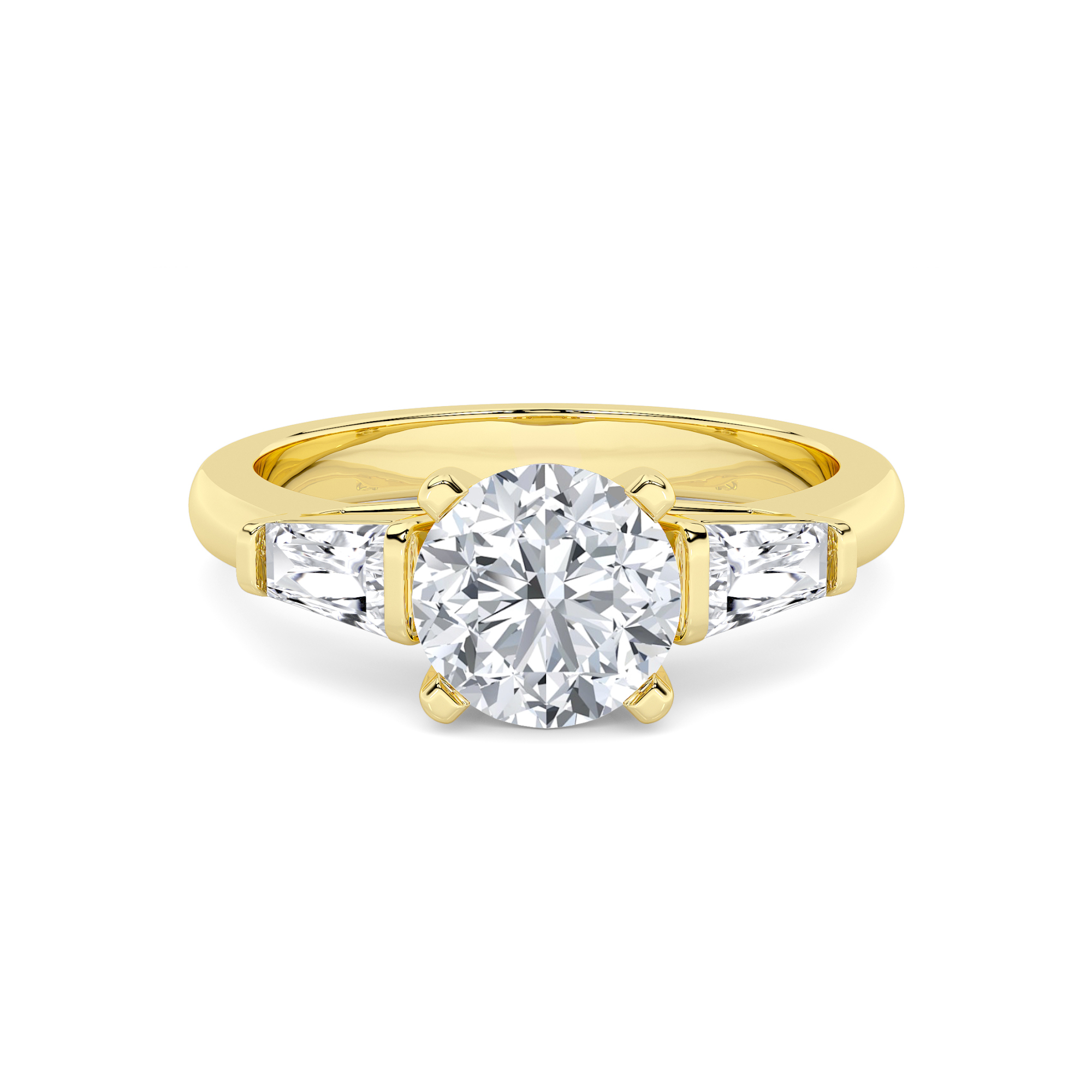
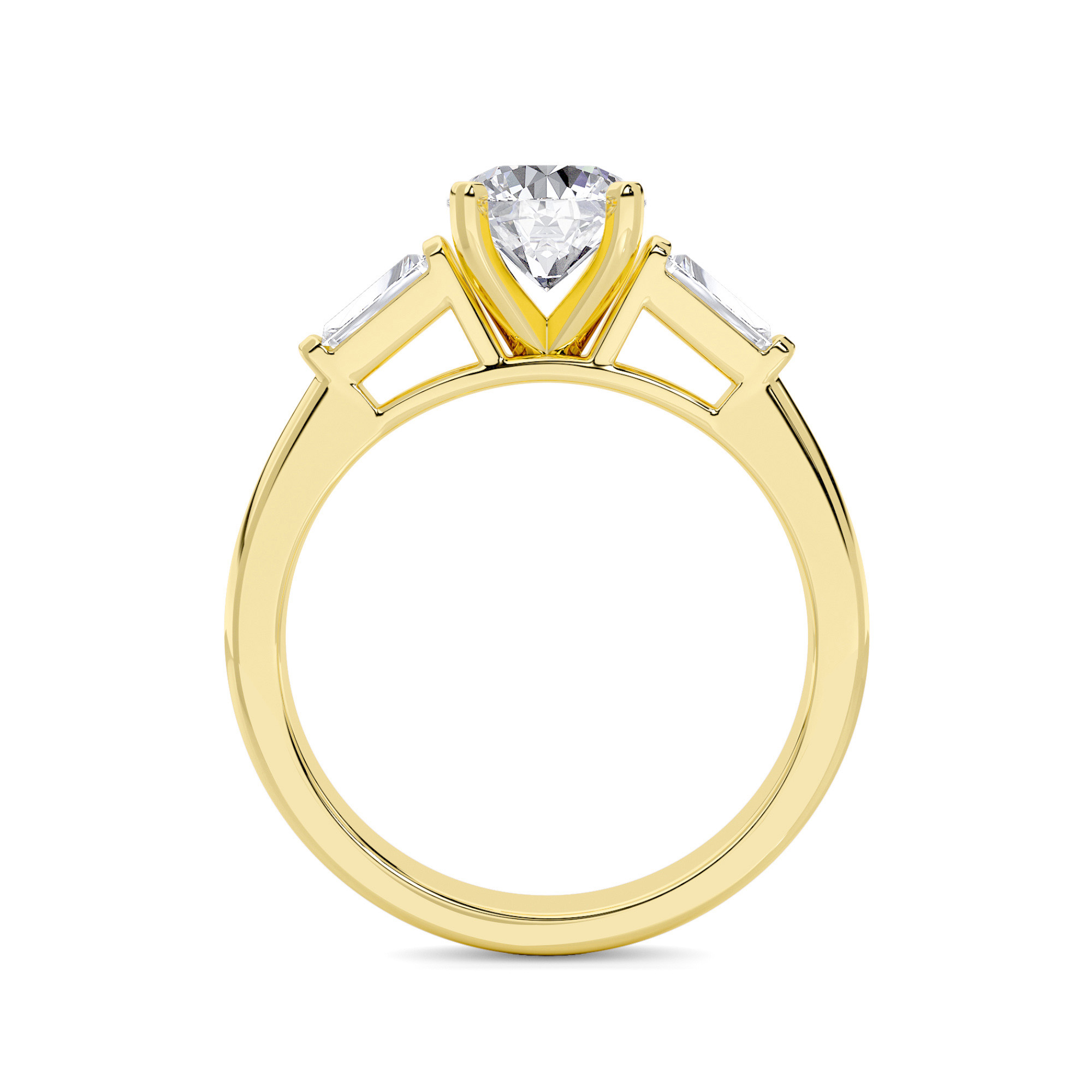
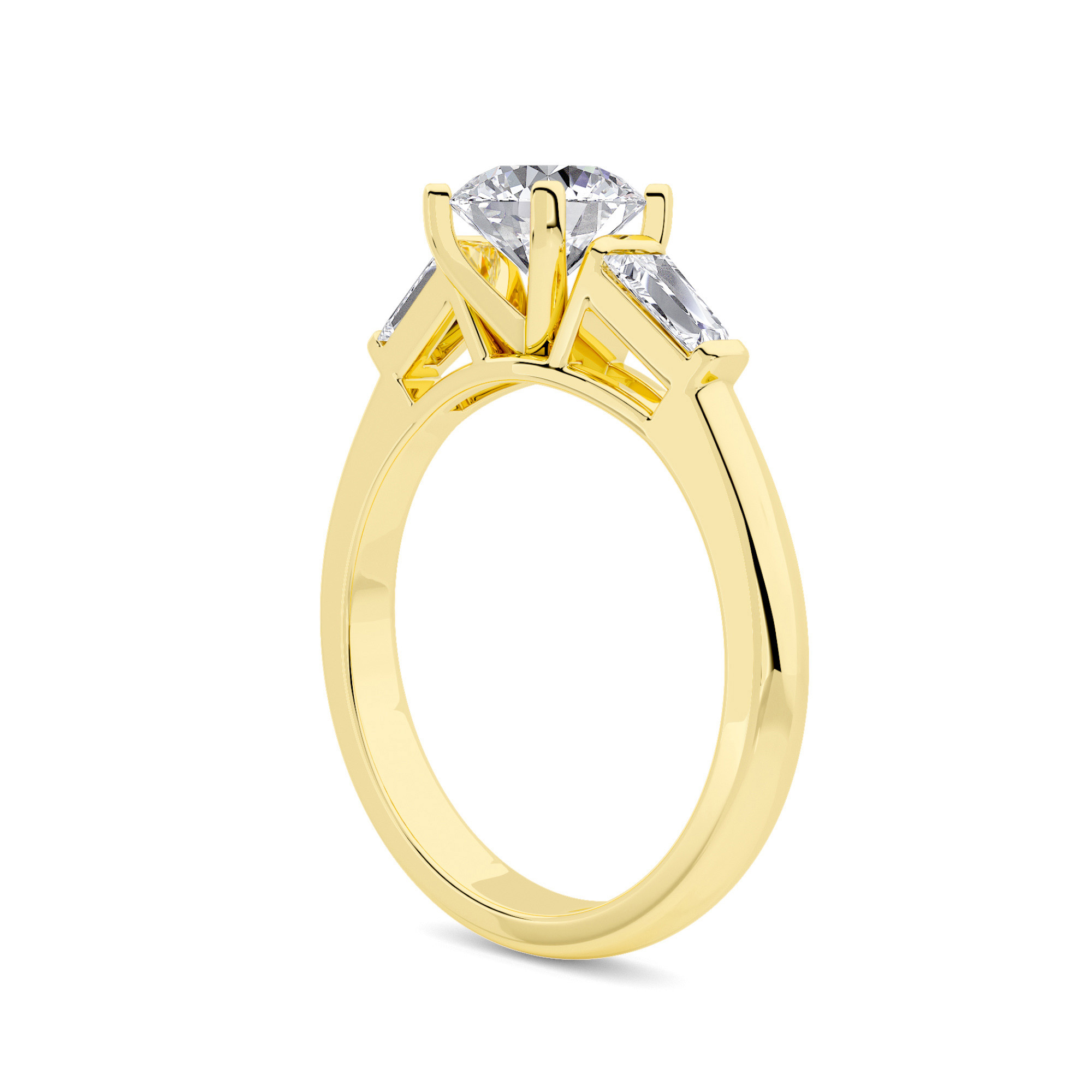
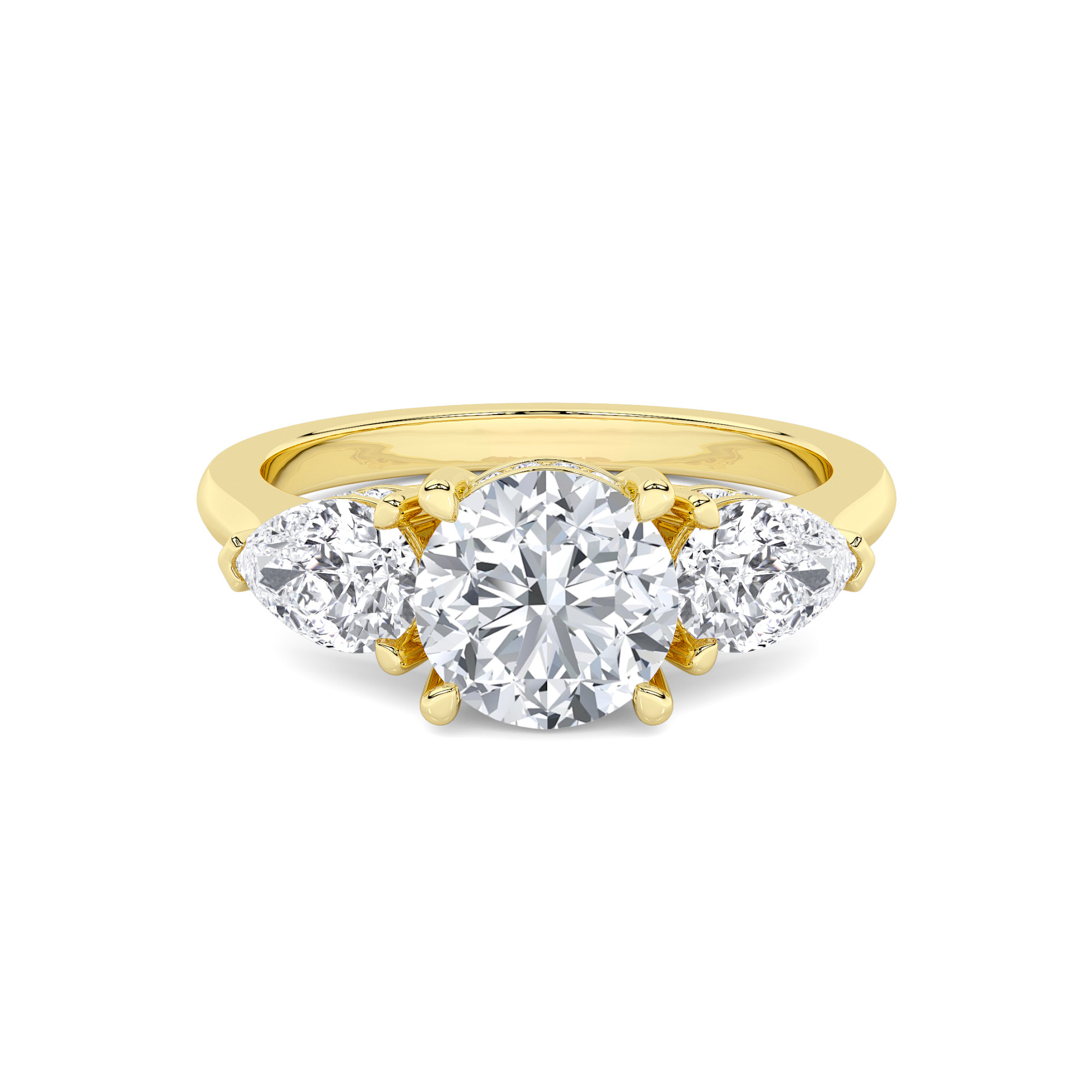
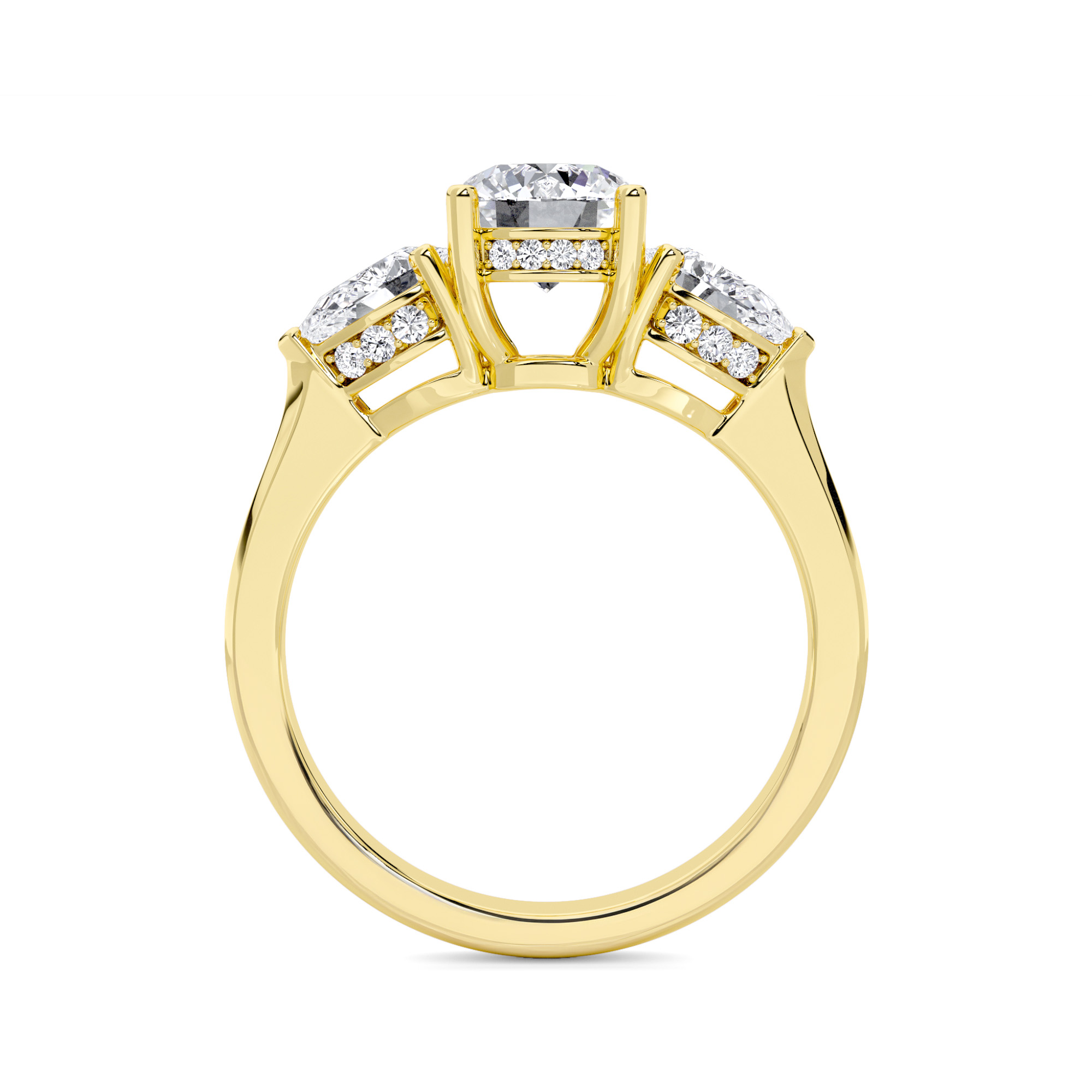
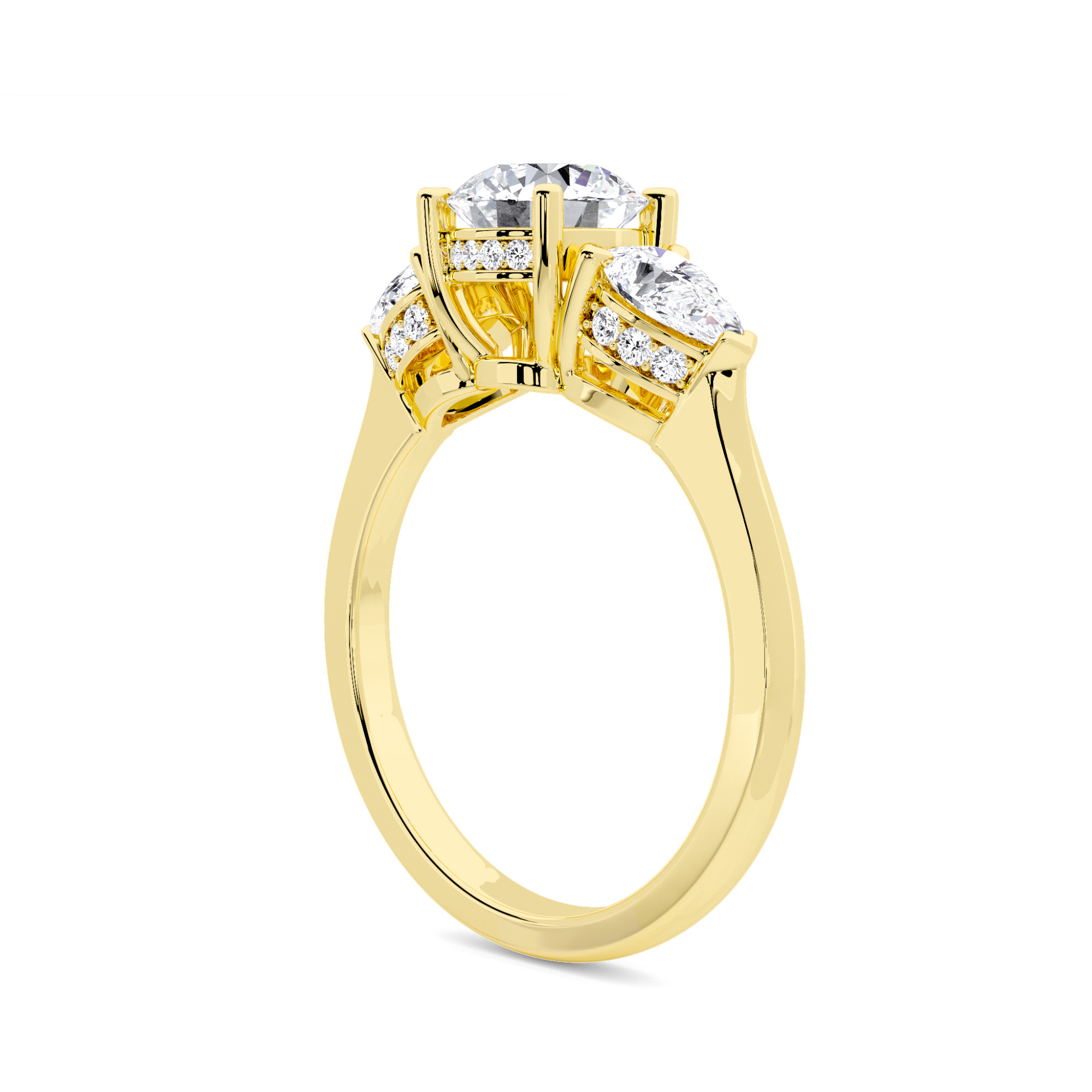
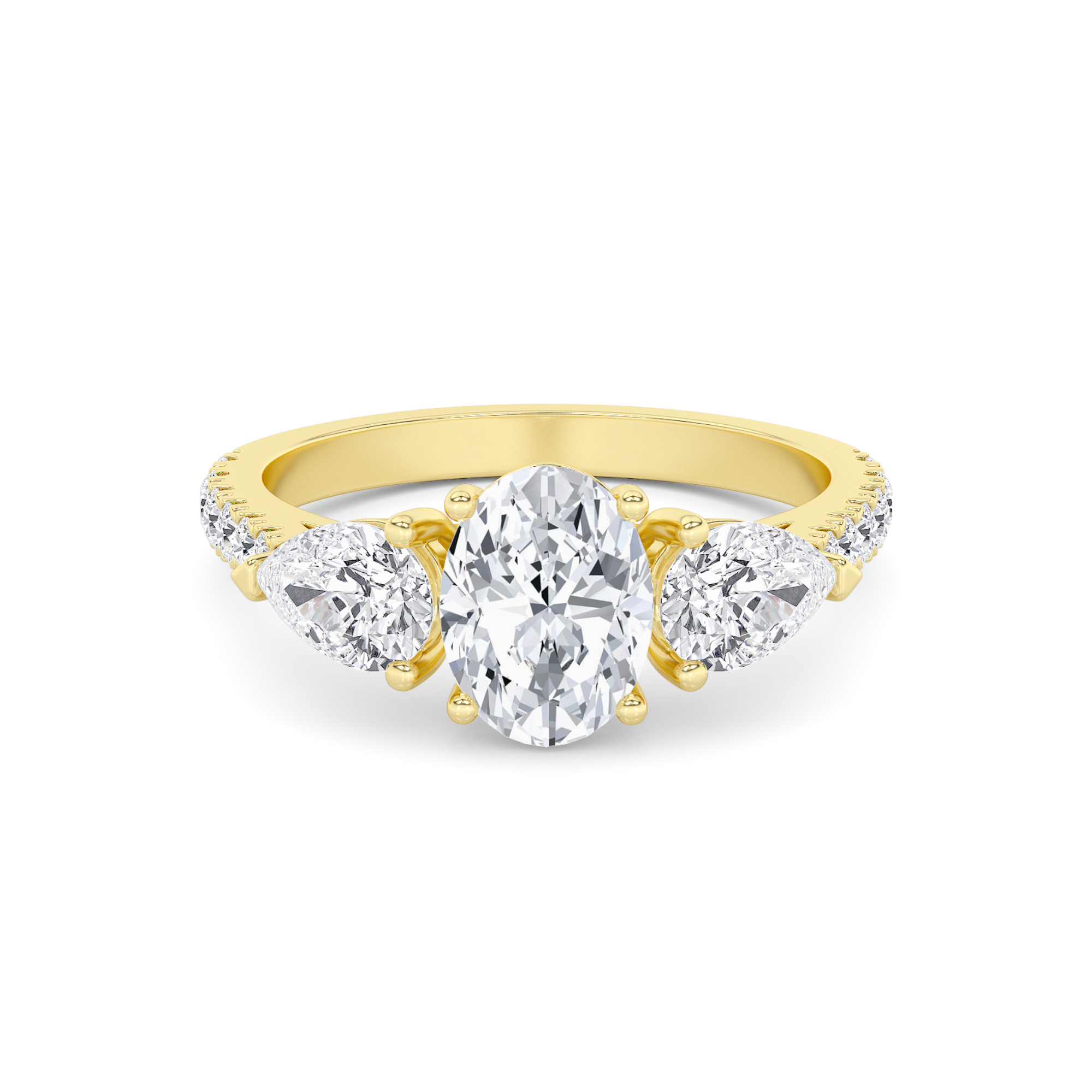
A three stone engagement ring carries meaning that no other style can match — one diamond for the past you've shared, one for the present moment, and one for every tomorrow ahead. At Beverly's Jewelry, each three stone diamond ring is hand-finished in yellow gold, white gold, rose gold, and platinum, with oval, round, emerald cut, princess, marquise, cushion, and pear diamond combinations available across the collection. Whether you're drawn to a classic trilogy setting with three matched stones or a more architectural design where a larger center diamond is flanked by tapered side stones, every ring in this collection is built to hold its meaning as long as it holds its diamonds.

The past, present, and future symbolism of a three stone ring has made it one of the most enduring engagement ring styles in fine jewelry — not because it's fashionable, but because it means something. Each stone has a role: the left stone represents the shared history that brought two people together, the center stone holds the present commitment, and the right stone faces all the years still to come. That narrative is built directly into the structure of the ring, which is something no other setting style does in quite the same way. For buyers who want a ring that tells a story rather than simply displays a diamond, the three stone setting remains the clearest expression of that intention. Our engagement ring settings page shows how this style compares to other setting families across Beverly's full collection.
The character of a three stone ring changes significantly depending on which shapes are chosen for the center and side stones. Round brilliant diamonds in all three positions create the most symmetrical and classic result — even light distribution, balanced proportions, and a timeless profile that suits any hand. Oval cut diamonds as the center stone, flanked by pear-shaped or tapered baguette side stones, produce one of the most elongating and visually dramatic combinations currently available. Emerald cut centers with step-cut side stones — including asscher or baguette — create a more linear, architectural look that appeals to buyers who prefer geometry over brilliance. Our oval engagement rings, emerald engagement rings, and round engagement rings pages each show how these shapes perform across different three stone configurations.
Three stone engagement rings have a wider footprint than solitaires, so wedding band selection matters more here than with most other styles. A plain metal band in the same metal as the ring is the most versatile choice — it sits flush against the three stone setting without competing visually and lets the ring remain the focal point. A thin diamond band adds light around the base of the ring without adding bulk. Curved or contoured bands are worth considering when the three stone ring has a raised center stone or a setting that doesn't sit flat against the finger. Our women's wedding bands collection includes straight, curved, and diamond-set options across all metals, and our blog on ring stacking 101 covers the most common pairing approaches.