09/28/2026
Why Two-Tone Engagement Rings Are a Smart Choice for Modern Brides
When it comes to choosing an engagement ring, there is no rule that says you have to stick with just one metal color. Today, many brides are looking for jewelry that feels personal, versatile, and easy to wear with the pieces they already own. That is one reason two-tone engagement rings have become such an appealing option.
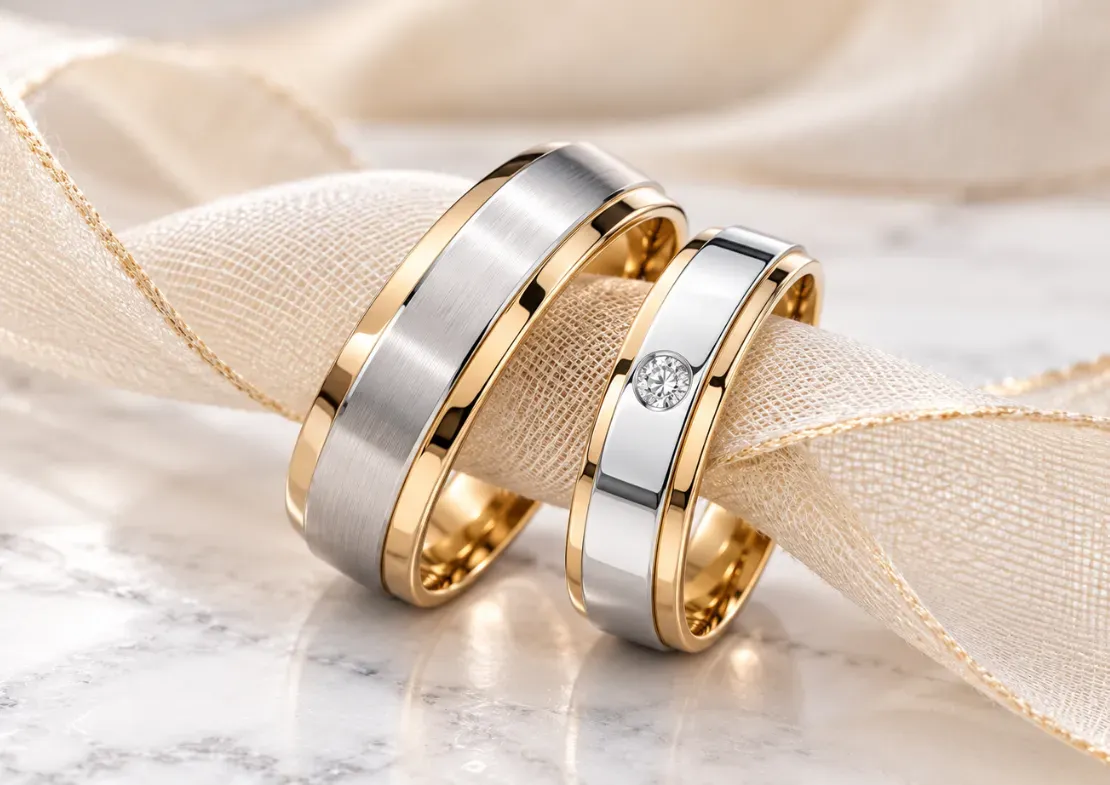
By combining two metal colors in one design, a two-tone ring creates contrast while maintaining a polished and timeless appearance. It can bring together the clean look of white gold with the warmth of yellow gold, or introduce another metal combination that gives the ring its own personality.
For brides who regularly mix metals in their jewelry collection, this style can be more than a fashion choice. It can be a practical way to create an engagement ring that works naturally with everyday jewelry, a wedding band, and different occasions.
What Makes Two-Tone Engagement Rings Different?
The defining feature of a two-tone design is the use of two different metal colors within the same ring. Instead of choosing between white, yellow, or rose gold, the design incorporates contrasting tones to create visual interest.
For example, a ring may use white gold around the diamond while incorporating yellow gold into the band. The lighter metal can help emphasize the center stone, while the warmer tone adds contrast and character.
This combination gives the ring more dimension than a traditional single-metal design. It can also make a classic silhouette feel more contemporary without relying on an overly elaborate setting.
For a bride who wants something recognizable but not quite like every other engagement ring, this balance can be especially appealing.
A Natural Fit for Brides Who Mix Metals
One of the biggest advantages of two-tone jewelry is versatility.
Many people already own jewelry in different metal colors. A bride might wear a yellow gold necklace, white gold earrings, and a rose gold bracelet without thinking twice about whether they perfectly match.
A two-tone engagement ring naturally works within that kind of collection.
Instead of having to build an entirely new jewelry wardrobe around the engagement ring, you can choose a design that already incorporates contrasting tones.
This can be particularly useful after the wedding, when the engagement ring becomes part of an everyday jewelry collection rather than something worn only for special occasions.
Two-Tone Designs Can Make a Diamond Stand Out
The metal surrounding a diamond influences the overall appearance of an engagement ring.
A white-metal setting can create a bright, clean frame around the center diamond. A contrasting yellow-gold band can then add warmth and definition.
This creates an interesting visual balance: the diamond remains the focal point, while the combination of metals gives the ring additional character.
The effect can be especially attractive with classic diamond settings.
A simple center stone does not necessarily need an elaborate design to stand out. Sometimes, the contrast between two metals provides enough detail to make the ring feel distinctive.
For brides who prefer a refined look over excessive decoration, this can be an appealing approach.
Two-Tone vs. Traditional Single-Metal Rings
A single-metal engagement ring has an unmistakably classic appearance. White gold and platinum can offer a modern, understated look, while yellow gold creates a warmer and more traditional feel. Rose gold brings a softer, romantic character.
Two-tone designs sit somewhere between these choices.
Rather than committing completely to one color, they allow the wearer to enjoy the qualities of more than one metal.
This does not mean two-tone rings are necessarily better than single-metal designs. It simply gives shoppers another way to express their personal style.
If you already know that you love a particular metal, a traditional setting may be the right choice. But if you regularly switch between metals or want additional contrast, a two-tone design is worth considering.
How to Choose the Right Metal Combination
The two metals should complement each other rather than compete for attention.
White and yellow gold are among the most recognizable combinations because the contrast is clear while still feeling classic.
White gold with rose gold creates a softer transition and can give an engagement ring a more romantic appearance.
Yellow gold and rose gold create a warmer overall palette and can work well for someone who prefers rich, traditional tones.
Think about the jewelry you already wear before making your decision.
If most of your collection is yellow gold, a ring that includes yellow gold may feel more natural. If you frequently wear both white and yellow gold, a contrasting combination may be especially practical.
Your engagement ring does not have to match every piece of jewelry you own. It should simply feel comfortable within your personal style.
Think About the Wedding Band From the Start
Choosing an engagement ring is only part of creating a bridal set.
The wedding band will eventually sit alongside it, so it is worth considering how the two rings will look together.
A two-tone engagement ring can provide additional flexibility when selecting a wedding band because you have more than one metal color to work with.
For example, you might choose a band that emphasizes one of the metals already present in the engagement ring.
A white-metal wedding band can highlight the diamond setting, while a yellow-gold band can reinforce the warmer elements of the design.
You can also look at women’s wedding bands with different diamond patterns, widths, and profiles to find a combination that feels balanced.
Beverly’s Jewelry offers a range of women's wedding-band designs, including diamond bands and styles created for pairing and stacking.
The goal is not necessarily to make both rings identical. A little contrast can actually make the complete bridal set more interesting.
Consider the Engagement Ring Setting
The setting has a major effect on how a two-tone ring looks.
A solitaire setting keeps the center diamond as the primary focal point. This can be an excellent choice when the two-tone metal combination itself provides enough visual interest.
A halo setting adds additional diamonds around the center stone and can create a more noticeable statement.
Three-stone designs can create a broader appearance, while pavé details introduce additional sparkle along the band.
If you prefer a clean and understated style, a classic solitaire can help keep the two-tone combination sophisticated rather than busy.
Beverly’s collection includes a variety of solitaire engagement ring designs, making this style worth considering if you want the center diamond and metal contrast to remain the focus.
Two-Tone Rings Can Work With Different Personal Styles
One of the strongest reasons to consider this style is that it does not belong to just one aesthetic.
A streamlined two-tone solitaire can feel modern and minimal.
A detailed setting can give the same metal combination a more traditional appearance.
A twisted or textured band can create additional visual movement.
This flexibility makes two-tone engagement rings suitable for brides with very different tastes.
You might prefer a ring that looks understated with jeans and a sweater but still feels special with a dress for a formal event. Or you might want an engagement ring that immediately stands out as a statement piece.
The metal combination can support either direction depending on the setting and proportions.
Why Two-Tone Jewelry Makes Sense Beyond the Wedding Day
An engagement ring is a long-term piece of jewelry. While wedding trends can influence the initial purchase, everyday wear should also be considered.
A two-tone ring can make future jewelry choices easier because it already incorporates multiple metal colors.
That means you can wear it alongside white gold, yellow gold, or other complementary pieces without the combination feeling accidental.
This is particularly useful for someone who does not want to follow strict rules about matching jewelry metals.
Instead, the ring becomes a bridge between different pieces in your collection.
For shoppers who enjoy mixing textures, colors, and finishes, that flexibility can make a meaningful difference over time.
Are Two-Tone Engagement Rings Timeless?
Trends come and go, but the concept of combining different metal colors has a long history in jewelry design.
The key to choosing a timeless two-tone engagement ring is focusing on the overall design rather than chasing a temporary trend.
Look for balanced proportions, quality craftsmanship, a setting that protects the diamond, and a style you can imagine wearing years from now.
A simple two-tone design with clean lines may have more staying power than an overly complicated design built around a specific fashion trend.
Your engagement ring should ultimately feel like something you chose because it reflects your relationship and your personal style-not simply because it was popular when you purchased it.
How to Shop for a Two-Tone Engagement Ring
Before making your final decision, consider these questions:
Which two metal colors do you naturally wear?
Do you prefer a classic or contemporary appearance?
Should the diamond be the main focal point?
Do you want a solitaire, halo, or multi-stone setting?
How will your wedding band look beside the engagement ring?
Will the ring be comfortable enough for everyday wear?
Does the design feel like your personal style rather than a passing trend?
It can also help to compare several designs side by side.
A ring may look very different once the proportions of the band, center stone, setting, and metal colors are considered together.
The Bottom Line
A two-tone engagement ring can be a smart choice for a modern bride who wants versatility, contrast, and personal style in one piece.
The combination of metal colors can make a diamond stand out, complement mixed-metal jewelry, and give a classic engagement-ring silhouette a more distinctive personality. Just as importantly, the design can transition naturally from the engagement period into everyday married life.
If you already mix jewelry metals, want something a little different from a traditional single-metal ring, or simply like the visual contrast created by two metals, this style deserves a place on your shortlist.
At Beverly’s Jewelry, you can explore the collection of Two-Tone Engagement Rings to compare different settings and designs and find a style that feels right for your proposal, your wedding day, and the years that follow.