12/09/2025
Plating vs. Purity: When to Choose Rhodium, and When to Stick with Solid Gold
Rhodium Plating — What It Is, Why It Matters & How It Fits Island‑Style Jewelry
Why We’re Talking About Rhodium Plating
If you’ve browsed fine jewelry lately — whether engagement rings, wedding bands, or classic sterling silver pieces — you’ve probably heard of or seen the term “rhodium plated.” At Beverly's Jewelry, we believe in giving you not just beautiful jewelry, but jewelry that stands up to island life and keeps its shine through everyday wear. Understanding rhodium plating helps you choose wisely and appreciate what goes into a piece that lasts.
What Is Rhodium Plating — At Its Core
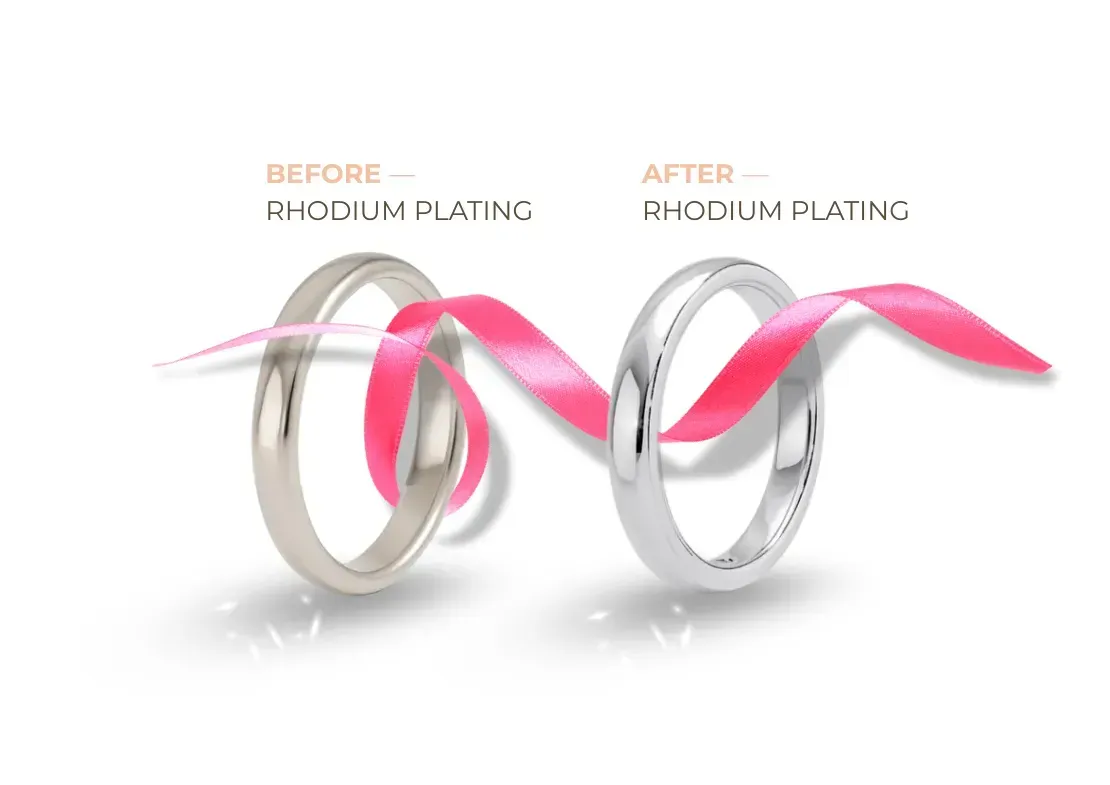
Rhodium plating is a finishing process where a very thin layer of the metal Rhodium is electroplated over another metal (like white gold or sterling silver). This layer bonds to the surface, creating a bright, mirror‑like finish.
The effect? Jewelry that shines brighter, stays whiter (for white gold or silver), and initially looks more like high‑end platinum than typical silver or alloyed gold.
People Also Read: Gold Colors Explained: White, Yellow, Rose, and the Magic of Rhodium
Why Jewelers & Wearers Choose Rhodium Plating — Benefits
Rhodium plating isn’t just for show. It brings several real advantages that make it a smart option for many types of jewelry:
Brighter, Whiter Shine & Enhanced Sparkle — Pieces with rhodium plating have that crisp, luminous finish that makes diamonds (and other gems) really pop. It offers a cooler, “icy” look that’s often preferred for engagement rings and white‑metal jewelry.
Better Durability & Scratch/Tarnish Resistance — Because rhodium is much harder and more scratch‑resistant than softer metals like silver or gold alloys, the plating serves as a guard against everyday wear: scratches, abrasion, or oxidation.
Protects Silver from Tarnish — Sterling silver alone tends to tarnish over time when exposed to air, moisture, or skin oils. A rhodium layer acts as a shield, preventing that chemical reaction and keeping silver jewelry bright longer.
Hypoallergenic Properties — For many people, base metal alloys (especially those containing nickel) can irritate the skin. Rhodium is inert and hypoallergenic, creating a barrier between skin and underlying alloy — a plus for folks with sensitive skin.
⚠️ Things to Know: Rhodium Plating Is Not Forever
Rhodium plating offers many advantages — but it’s important to know its limitations too:
It wears off over time. On rings, bracelets, or any frequently worn piece, friction and everyday contact will slowly erode the rhodium layer, eventually exposing the underlying metal.
Maintenance needed: Once the plating wears down — for example, if the jewelry starts to look dull or develop a slightly warmer tone — it may need to be “re‑plated” to restore the bright white finish. Many jewelers offer this as a maintenance service.
Not ideal always (especially for yellow gold): If you plate yellow or rose gold with rhodium, the result alters the natural warm tone of the gold; when the plating eventually wears off, the contrast can look less elegant than a piece meant to stay yellow. For many, plating yellow‑gold defeats the point of choosing yellow gold in the first place.
Why Rhodium Plating Makes Sense for Island Jewelry — And for Customers of Beverly’s
At Beverly’s Jewelry in St. Thomas, our clients often look for jewelry that:
Withstands humid, salty sea‑air and tropical climate
Looks bright and radiant even after lots of wear (sun, sea, vacation nights out)
Offers comfort — especially for visitors or buyers with sensitive skin
Because rhodium plating helps prevent tarnish, protects against scratches, and keeps white metals looking sharper longer — it’s a great option for island wear and vacation jewelry.
For sterling silver or white‑metal pieces: rhodium plating helps them stay low‑maintenance but high-shine.
For gemstone jewelry: the bright “icy” white metal setting can beautifully highlight colored gems — a design path that resonates with your existing gemstone bracelets (sapphire, emerald, ruby) but for white-metal pieces.
That said — for yellow‑gold pieces (and for customers who love the warmth of yellow gold), you may prefer solid gold un‑plated pieces to preserve the authentic tone and avoid maintenance hassles.
How to Care for Rhodium‑Plated Jewelry — Tips to Help It Last
To keep rhodium‑plated pieces looking their best:
Avoid harsh chemicals, chlorine, bleach, or abrasive cleaners. These accelerate wear.
Remove jewelry (rings, bracelets) before heavy use: chores, cleaning, swimming — especially in salt water.
Clean gently using lukewarm water, mild soap, and a soft cloth. Avoid harsh brushes.
If the plating shows signs of wear — dullness, yellowish tint showing through — consider having the piece re‑plated to restore brilliance.
Should You Choose Rhodium‑Plated Jewelry? — And When to Skip It
Choose it if you:
Want a bright, white‑metal look (ideal for white gold, silver, and white‑metal gemstone settings)
Wear your jewelry often — daily rings, engagement bands, bracelets — and want low‑maintenance shine
Have sensitive skin or want hypoallergenic pieces
Maybe skip it if you:
Prefer the warm glow of yellow or rose gold
Want a “set and forget” jewelry with minimal maintenance
Dislike the idea of periodic re‑plating or see plating as “temporary”
Rhodium Plating — A Smart Tool, Not a Magic Fix
Rhodium plating is a great example of how modern jewelry craftsmanship blends beauty and practicality. It delivers shine, protection, and hypoallergenic benefits, which often makes it the right choice for white‑metal or silver pieces — especially in climates and lifestyles like ours in St. Thomas.
At Beverly’s Jewelry, we value transparency, quality, and durability — and rhodium plating gives you another way to enjoy jewelry that stays radiant and wearable through sun, sea, and everyday island life. If you’re curious about trying rhodium‑plated pieces (or wondering if it’s right for you), stop by our store — we’d be glad to walk you through the pros, cons, and care tips.