12/12/2025
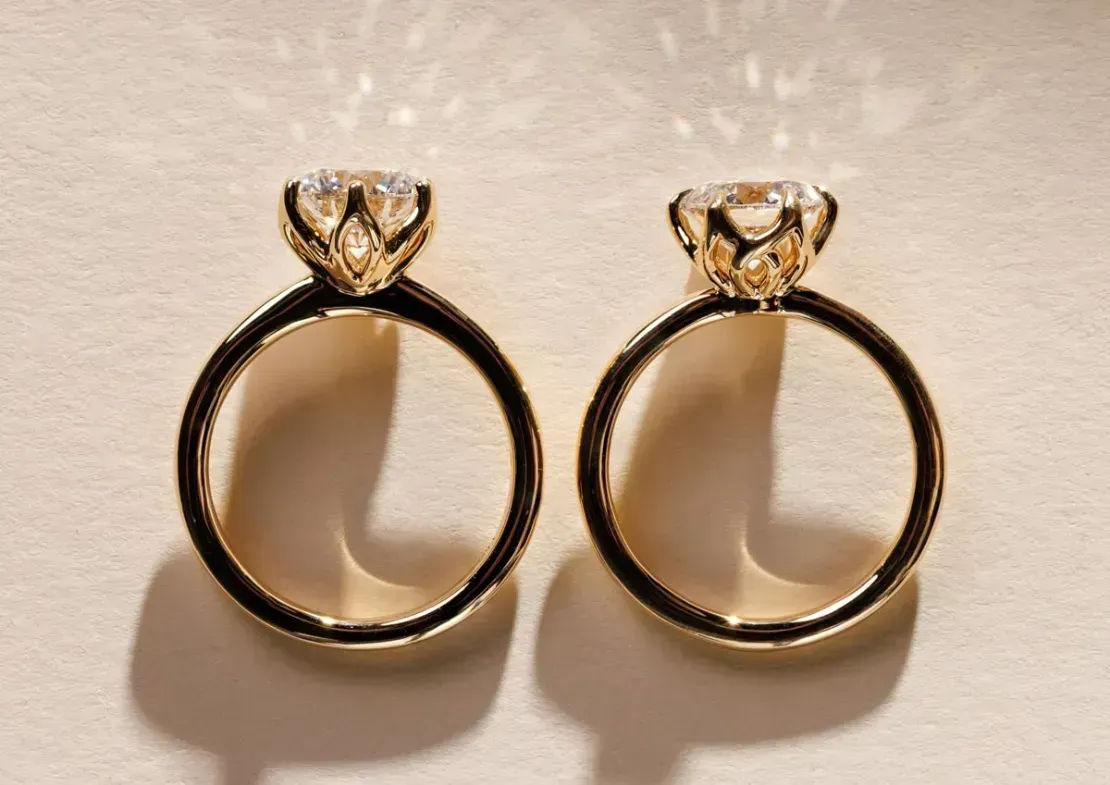
Claw Prongs vs. Round Prongs
When choosing a diamond ring—whether it’s an engagement ring, anniversary ring, or a sparkling upgrade—every detail matters. The setting you choose doesn’t just hold the diamond; it defines the entire look, brilliance, and personality of the piece. In 2026, brides and jewelry lovers are paying even closer attention to small design elements, and one of the biggest decisions in ring design continues to be claw prongs vs. round prongs.
At Beverly’s Jewelry in St. Thomas, we help thousands of visitors, locals, and returning clients choose the perfect ring, and prong style is almost always part of the conversation. Each prong shape changes the way a diamond sits, sparkles, and feels—so understanding the difference between claw prongs and round prongs helps you pick the setting that matches your style, lifestyle, and diamond choice.
Below is a complete guide to both prong styles, how they compare, and how to choose the one that elevates your diamond the most.
What Are Prongs & Why Do They Matter?
Prongs are the tiny metal arms that secure a diamond or gemstone in place. They play a crucial role in:
Protecting the diamond
Allowing maximum light to enter the stone
Defining the ring’s overall aesthetic
Impacting how modern, delicate, or bold the ring looks
Because prongs are so central to the design, choosing between claw prongs and round prongs can dramatically change the ring’s look—even if the diamond stays the same.
What Are Claw Prongs?
Claw prongs (sometimes called “talon prongs”) are sleek, tapered prongs with a pointed tip. They gently curve inward toward the diamond, creating the look of tiny claws holding the stone.
Why People Love Claw Prongs
Claw prongs are known for creating a modern, elegant, high-fashion look. They are especially trendy in 2026 because they:
Make the diamond appear larger and more elongated
Add a sculpted, luxurious finishing touch
Give oval, pear, marquise, and radiant diamonds a sharper, more defined outline
Complement slim, delicate, and minimalist ring designs
Highlight fancy shapes and elongated silhouettes
Many brides choose claw prongs because they offer a sleek, clean look that enhances the sparkle, brilliance, and presence of the stone—especially when paired with oval diamonds, radiant cuts, and cushion cuts.
What Are Round Prongs?
Round prongs (sometimes called button prongs) are the classic, smooth, rounded tips traditionally used on solitaire rings and timeless engagement designs.
Why People Love Round Prongs
Round prongs are chosen for their soft, classic, and traditional feel. They are especially popular because they:
Give the diamond a gentle, balanced frame
Offer timeless appeal—perfect for brides who don’t want something too modern
Work beautifully with round, cushion, and princess-cut diamonds
Provide a smooth, snag-free design
Offer added metal coverage for durability
Round prongs never go out of style, making them a favorite for customers who want a ring that feels forever classic.
Diamond Shapes That Look Best With Each Prong Style
Claw Prongs Pair Best With:
Oval
Radiant
Pear
Marquise
Emerald (for a modern twist)
Claw prongs enhance the edges, symmetry, and shape definition. They help elongated diamonds look even more graceful and sleek.
Round Prongs Pair Best With:
Round brilliant
Cushion
Princess
Asscher
Emerald (for a traditional style)
Round prongs create a soft, balanced outline, making the diamond look timeless and symmetrical.
Which Prong Style Makes a Diamond Look Bigger?
Claw prongs make the diamond appear larger because they use less metal, allowing more of the stone to show. The prongs hug the diamond tightly, creating a delicate frame that enhances spread and brilliance.
Round prongs add slightly more metal coverage. While this gives a softer look, it may make the diamond appear a touch smaller—but only visually. The diamond size does not change; the framing is simply different.
If maximizing the diamond’s visual spread is a priority, claw prongs are often the better choice.
Durability: Which Is Stronger?
Both prong styles are strong and secure when properly made—but they behave differently.
Claw Prongs:
Slimmer and more delicate in appearance
Extremely secure when crafted by an experienced jeweler
Require slightly more maintenance over many years
Round Prongs:
Thicker and rounded, offering more metal coverage
Naturally more durable and resistant to wear
A good option for daily-wear, hands-on lifestyles
For clients with active lifestyles, round prongs may be the practical choice, while claw prongs appeal more to those who want a sleek, fashion-forward design.
Aesthetic Style: Which One Suits Your Personality?
Choose Claw Prongs If You Love…
Modern, chic, or editorial-style jewelry
Celebrity-inspired ring styles
Minimalist designs with maximum sparkle
Rings that look custom and high-end
A bold, defined diamond shape
This style is extremely popular among 2026 brides looking for a ring that feels updated yet elegant.
Choose Round Prongs If You Love…
Classic engagement ring styles
Soft, romantic, traditional designs
A smooth, balanced silhouette
Vintage-inspired settings
Timeless sparkle
Round prongs remain the signature look of traditional solitaires and understated elegance.
How Prong Style Affects Sparkle
Since prongs influence how much light enters the stone, choosing the right style can maximize brilliance.
Claw Prongs:
Expose more of the diamond, letting more light in. This is especially beneficial for brilliant cuts like oval, round, radiant, and cushion diamonds.
Round Prongs:
Offer a gentle frame but may cover slightly more surface area. The sparkle remains strong, especially with high-quality diamonds, but the look is more classic than edgy.
Choosing the Right Prongs for Your Lifestyle
If you:
✔ Work with your hands
✔ Are active daily
✔ Prefer low-maintenance jewelry
→ Round prongs are generally more practical.
If you:
✔ Want a modern or delicate look
✔ Want the diamond to look larger
✔ Love sleek, designer-inspired styles
→ Claw prongs are usually the better fit.
How to Choose Between Claw and Round Prongs at Beverly’s Jewelry
When guests visit Beverly’s in St. Thomas—whether they’re cruising into port or enjoying their Caribbean getaway—we guide them through the exact prong style that fits their stone, style, and finger shape.
Here’s how we help you decide:
1. We look at your diamond shape.
Certain shapes shine brighter with each prong type.
2. We consider your lifestyle.
Daily wear, job type, and activity levels matter.
3. We check what aesthetic you prefer.
Modern? Timeless? Delicate? Bold?
4. We show side-by-side options.
Seeing claw vs. round prongs in person makes the decision easy.
5. We match the prong style with your band design.
Especially important with hidden halos, cathedral settings, and solitaire rings.
Final Thoughts: Which Prong Style Is “Better”?
Both claw prongs and round prongs are beautiful, secure, and timeless options. The best choice depends entirely on the look and feel you want your ring to have.
Choose claw prongs for a sleek, modern, high-fashion vibe.
Choose round prongs for a classic, soft, traditional elegance.
At the end of the day, the right prong style should reflect you—your personality, your lifestyle, and your vision for the perfect diamond ring.
If you’re visiting St. Thomas or planning your next Caribbean vacation, stop by Beverly’s Jewelry on Main Street to compare prong styles in person. Our team, along with gemologist Amit Khemani, will help you find the setting that makes your diamond sparkle its brightest.